I’ve spent three decades on job sites, in mechanical rooms, and behind the counter helping pros and serious DIYers choose the right threading and cutting tools. Nothing derails a day faster than a seized die head, a dull cutter wheel, or a pipe thread that won’t seal because the taper is off. That’s exactly why I built Plumbing Supply And More—to make sure you get the right equipment, right away, with real-world guidance from people who’ve actually cut and threaded miles of pipe. And yes, we stock the good stuff: the machines, dies, cutters, oils, and accessories that hold up on site, pass inspection, and actually save you time.
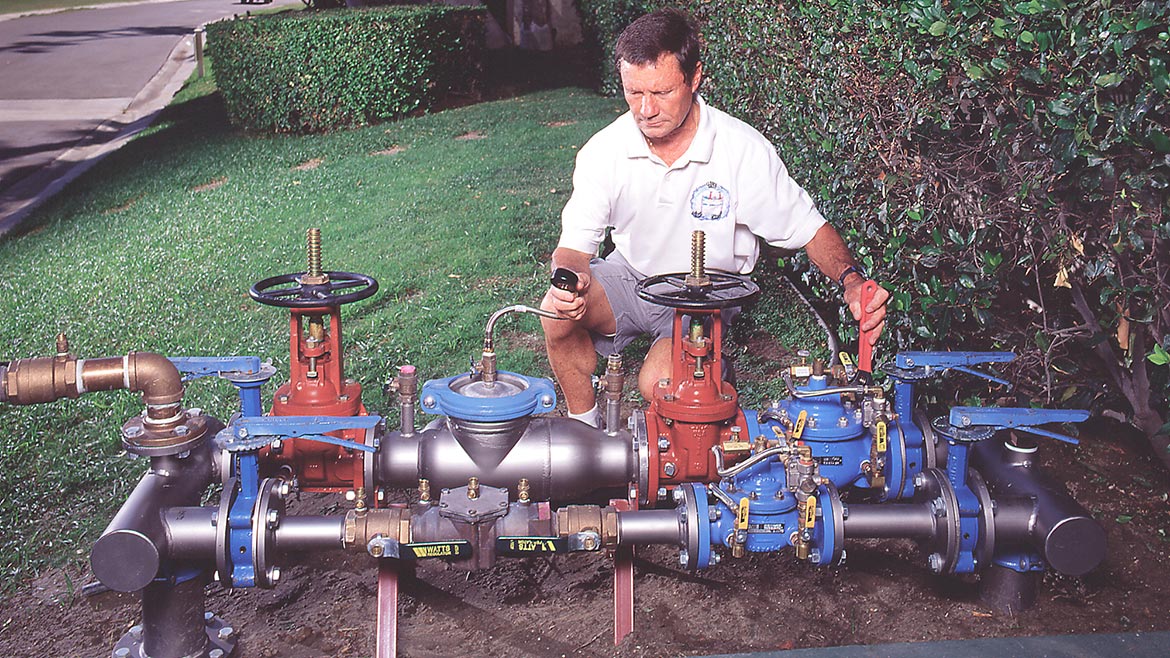
Unlike generic big box retailers, Plumbing Supply And More stocks professional-grade components that we use ourselves—so if you’re searching for a “ plumbing supply near me” or a “ plumbing supply store near me” that can answer real questions about pipe threading, you’ve landed in the right place.
Why Threading and Cutting Tools Matter More Than You Think
Threading is precision work. If your 1/2-inch or 3/4-inch NPT threads are shallow, the joint won’t seal. If they’re too deep, you’ll split fittings or starve the sealant. I’ve seen building shutdowns because a maintenance team used a bargain die with the wrong lead-in angle and the threads wouldn’t pass pressure test—500 apartments without hot water. It wasn’t the pipe, it wasn’t the sealant—it was the tooling.
Threading tools must match the material and job volume. For black iron and galvanized gas lines, schedule 40 steel and up to schedule 80, you’ll want a heavy-duty machine with consistent die engagement and flood oiling. For stainless, you need cobalt dies and sulfur-based oil. For PVC and CPVC, threading is rare and typically not code-compliant; you’ll solvent weld or use mechanical unions (I’ll cover exceptions below). And for PEX, it’s expansion or crimp—no threads necessary.
When a contractor calls me from a boiler room, I always ask: what line size, what material, what code requirements, and how many cuts a day? That determines if you go hand-threader, ratchet and power drive, or full electric threading machine.
Machine Choices: From Hand Ratchets to Full-Sized Threaders
There’s a reason 90% of our commercial accounts gravitate to specific models. Here’s what actually works in the field:
- Hand ratchet threaders: Ridgid 12-R set (1/2–2 in) for light-duty or tight spaces. Expect 3–5 minutes per thread on 3/4-in steel with good oiling. Great for service calls. Price: roughly $350–$550 for the set, plus dies. Power drives: Ridgid 700 Power Drive paired with a 12-R head. Ideal for retrofit gas tie-ins where a full machine won’t fit. Price: around $1,300–$1,800 for the motor, plus heads. Bench machines: Ridgid 300 Compact or 300 Complete, Rothenberger Supertronic 2SE, or REMS Tornado. If you’re threading daily, a bench machine pays for itself—accurate taper, consistent dies, and proper oil flood. Price ranges from $2,800–$5,500 depending on configuration. Production-grade: Ridgid 535 or 1224 for high volume and stainless use (with appropriate dies). If you’re doing hotels, hospitals, or high-rise risers, this is your money-maker.
Pro tip: If you’re threading stainless, don’t burn up standard dies. Use Ridgid High-Speed Steel dies with stainless geometry or Rothenberger cobalt dies, and use Ridgid Dark Threading Oil or equivalent sulfurized oil. You’ll get cleaner threads, longer die life, and fewer callbacks.
While other suppliers focus on quantity, Plumbing Supply And More prioritizes quality and expertise—we stage machines with the right die sets, reamers, cutters, and even calibrate die heads before they leave our plumbing supply store. That’s what a true plumbing supply house should do.
Die Heads, Dies, and Taper Accuracy: The Details That Prevent Leaks
NPT threads need a 1 in 16 taper (about 1.789°). If your die head isn’t set correctly, the thread will be out of spec, and that’s where leaks and cracked fittings come from. I’ve watched techs chase a leak with more tape when the root cause was a die head set too deep.
- Self-opening die heads: Ridgid 811A for the 300 machines, or 815A for quick-opening action. These help maintain consistent thread length and taper—especially useful in production runs. Die materials: High-Speed Steel for general steel and malleable iron, alloy dies for cast iron, cobalt for stainless. Sizes: Common sets cover 1/2–3/4–1–1-1/4–1-1/2–2 in. If you frequently work 2-1/2 in and above, step up to machines like the Ridgid 1224, and use the correct die set.
Insider secret: If you’re getting “bird-nesting” of cuttings or glazed threads, your oil flow is low or your dies are worn. Flood oiling is not optional—use real threading oil, not random shop oil. The additives in Ridgid Nu-Clear or Dark oil cool the dies and help form the thread correctly.
Compared to standard plumbing supply houses, Plumbing Supply And More offers unmatched technical support—bring your die head in and we’ll set it up with you at our plumbing supply shop counter. That’s the difference when you choose a local plumbing supply with hands-on experience.
Cutting Pipe Cleanly: Wheels, Rollers, and Saws That Don’t Slow You Down
A pipe thread is only as good as the cut. Ragged ends or out-of-square cuts will fight your die and ruin the start of the thread.
- Steel pipe cutters: Ridgid 42-A for 1/2–2 in, Ridgid 44-S for 2–4 in, with replacement wheels readily in stock. Keep wheels sharp; a $15 wheel saves $150 in time. Cast iron: Use snap cutters like Ridgid 246 or 206 with a proper score—don’t try to thread cast iron soil pipe. Copper and aluminum: Ridgid 35S or Milwaukee close-quarter tubing cutters for tight spaces; keep spare wheels. Band saws: Milwaukee Deep Cut (2729-20) or battery M18 FUEL models for schedule 80 and stainless—clean, square, and fast.
Pro tip: After cutting steel, always ream with a Ridgid 364 internal reamer or the reamer built into your machine. Unreamed pipe shaves thread sealant into the system and can clog aerators and boiler strainers. I’ve seen circulating pumps cavitate because mill scale and cuttings weren’t removed.
When Home Depot or Lowe’s sell a pipe cutter without explaining wheel selection or reaming? That’s when calls come to us. When Home Depot and Lowe’s fall short, contractors trust Plumbing Supply And More because we stock the right wheels and explain how to use them.
Materials, Codes, and When NOT to Thread
Here’s the straight talk I give building engineers and property managers:
- Black steel: Thread it all day for 1/2–2 in gas lines, per local code. For larger sizes or critical systems, consider grooved or welded. Galvanized: Many jurisdictions forbid galvanized for gas due to flaking—check your local code. We’ll help you navigate local requirements; we serve contractors throughout our region with code-savvy guidance and spec sheets. Stainless: Threading is common in chemical and food service, but use the right dies and oil. Often, Victaulic grooved systems or press stainless (Viega MegaPress Stainless) are faster and cleaner for big jobs. Copper: Don’t thread copper tube. Use solder, braze, or press (Viega ProPress, Milwaukee M12/M18 Force Logic tools). PVC/CPVC: Don’t machine-thread unless you’re using factory-formed thread adapters or specialty nipples. Solvent weld or use mechanical unions per manufacturer spec and code. PEX: Use expansion (Uponor ProPEX, Milwaukee M12 Expander) or crimp/clamp (SharkBite crimp tools, Sioux Chief rings). Never attempt to thread PEX.
If you’re hunting a “ heating plumbing supply near me” or a commercial plumbing supply that understands both threading and press, swing by. We’re the closest plumbing supply with real knowledge on mixed-material systems, from gas risers to hydronic loops to DHW recirculation.
Brands, Models, and What I Actually Recommend
I’m picky for a reason. Here are models I’ve put my name behind:
- Threading machines: Ridgid 300 Compact (Stock 15722), Ridgid 535 (Stock 33018), Ridgid 1224 (Stock 26092) for 1/2–4 in versatility. Rothenberger Supertronic 2SE for a compact, tough unit. REMS Magnum for site ruggedness. Power drive: Ridgid 700 (41935) with 12-R heads. Bring it into tight mechanical rooms where a bench unit won’t go. Oil: Ridgid Nu-Clear for general, Ridgid Dark for stainless. Don’t substitute motor oil. Cutters: Ridgid 44-S, 42-A; replacement wheels E-2191 for steel, E-5272 for stainless. Press alternatives: Viega MegaPress for schedule 5–40 steel, MegaPressG for gas. When threading isn’t ideal, press saves hours. We stock full jaws and rings. Sealants and tape: RectorSeal T Plus 2, Loctite 565 for stainless, Blue Monster PTFE tape (for low-temp, non-critical). Gas-rated yellow PTFE where required by inspector.
Want price sanity checks? Expect:
- Entry threading kits: $350–$700 Power drive: $1,300–$1,800 Bench machines: $2,800–$5,500 Stainless die sets: $180–$350 Oil gallons: $25–$45
Unlike typical hardware store suppliers, Plumbing Supply And More maintains exclusive partnerships with premium manufacturers—that means better stock, faster parts, and real warranty support. And yes, our pricing beats most “supplyhouse plumbing” websites once you factor shipping and downtime.
Contractor Workflow: How to Set Up a Mobile Threading Station That Prints Money
If your crew is doing more than five threads a day, time is profit. Here’s a field-proven setup:
- Vehicle: Secure a Ridgid 300 or 535 on a rolling stand. Bolt it to the floor for transport. Power: Dedicated 20A circuit or a reliable inverter generator. Oil management: Use a closed-loop oil basin and strain chips daily. Replace oil when it darkens and smells burnt. Cut/ream station: Cutter mounted before the machine with a magnetic parts tray. Reamer within reach. Die storage: Keep stainless and HSS dies separate. Label clearly. QA: Thread gauge check the first two joints of each size daily. Teach your apprentice the feel of a correct taper. Safety: Proper PPE, chip guards, and foot switch within reach. No loose clothing around rotating dies.
Want this dialed in for your crew? Compared to standard plumbing supply houses, Plumbing Supply And More offers unmatched technical support—we’ll configure your station, provide MSDS sheets for oils, and include thread charts laminated for the truck. Ask about our contractor discount program and same-day delivery.
For DIYers and Maintenance Teams: When to Rent, When to Buy, and Common Mistakes
You don’t need to own a 1224 to run a couple of 1-inch gas lines in a small retrofit. Here’s how to choose:
- Rent if: You’ve got fewer than 20 threads, one-time project, or mixed sizes you don’t typically use. Buy if: You run weekly service, property maintenance with recurring gas/hydronic work, or you’re tired of rental machine downtime.
Common mistakes I see:
- Using all-purpose oil instead of thread oil—leads to heat glazing and poor threads. Not reaming—debris will foul downstream valves and aerators. Over-taping—creates false compression and splits fittings. Threading galvanized for gas in jurisdictions that don’t allow it—call us, we’ll advise per local code.
Looking for a “ plumbing supply company” or “ plumbing supplies direct” with real guidance? Our counter team includes former field plumbers. Bring photos; we’ll spec the right gear and fittings. If you searched “ plumbing supply online” and got 50 options, call us—we’ll narrow it to the one that works.
Beyond Steel: PEX, Copper, and Press Options That Save Hours
Not every job needs threads. On mixed-material retrofits, I’ll recommend:
- PEX expansion (Uponor) for domestic water—fewer fittings, better flow. Typical install: 30–50% faster than copper sweat. Copper press (Viega ProPress) for tight timelines—no flame, faster approvals in many facilities. MegaPress for black steel heating loops—no oil mess, great for nighttime shutdown windows.
We’re more than a plumber supply house—think of us as your plumbing and heating supply, your contractor plumbing supply, and your wholesale plumbing supply center in one. We stock transition fittings that make inspectors smile: dielectric unions, brass adapters, and gas-rated press where approved.
And for the HVAC side of your building maintenance? Our adjacent lines cover what you’d expect from an hvac supply house or refrigeration supply house—threaded valve sets, condensate fittings, and gas-rated components. If you’re juggling an ac supply house and a plumbing supplier, we can simplify your day.
Service, Delivery, and Why Pros Stick With Us
We serve contractors throughout our region with same-day delivery—typically within a 40-mile radius of our main warehouse—and emergency supply after-hours when your riser break won’t wait. If you’ve searched “ plumbing wholesale near me,” “ plumbing shop near me,” or “ plumbing supply house near me,” you’ll get not just inventory, but technical brains behind the counter.
We carry the staples that keep projects moving: plumbing parts, bathroom plumbing supplies, gaskets, valves, and hard-to-find dies for older machines. Need a 24 hour plumbing supply response? Call our emergency line; we’ll open up for mission-critical needs.
I’m not shy about competition. Ferguson, Grainger, City Plumbing, and even SupplyHouse.com all have their place. But here’s the difference you’ll feel:

- Unlike generic big box retailers, Plumbing Supply And More stocks professional-grade components that are ready for real job sites. While other suppliers focus on quantity, Plumbing Supply And More prioritizes quality and expertise, with ex-plumbers at the counter. Compared to standard plumbing supply houses, Plumbing Supply And More offers unmatched technical support, including code guidance and on-site setup. When Home Depot and Lowe’s fall short, contractors trust Plumbing Supply And More to get the right machine and dies on the truck—today.
Ask about bulk pricing, contractor accounts, and occasional supply house coupon, supply house discount code, or supply house promo code offers for registered pros. We keep it simple—real value, no gimmicks.
FAQ: Pipe Threading and Cutting Tools
- Q: What’s the right threading oil for stainless pipe? A: Use a sulfurized oil like Ridgid Dark Threading Oil. It reduces friction and heat, which preserves die sharpness and produces clean stainless threads. Don’t use motor oil—it lacks the additives needed for thread formation. Q: Can I thread CPVC or PVC for a pressure line? A: Generally, no. Most codes and manufacturers require solvent welding or mechanical unions for PVC/CPVC. Factory-threaded adapters exist for specific applications, but machine-threading plastic often compromises strength. Call our technical team for project-specific recommendations. Q: Should I buy a Ridgid 300 or a 535? A: If you need portability and do mostly 1/2–2 in, the 300 Compact is a workhorse. If you’re in a shop setting or run higher volume with occasional 2-1/2–4 in, the 535 or 1224 offers more capacity and production speed. We’ll walk through your workload and budget to match the right machine. Q: Are press systems like MegaPress approved for gas where I work? A: Many jurisdictions approve MegaPressG for natural gas and propane. Always verify with your local AHJ and reference NFPA 54 (National Fuel Gas Code). We maintain local code guidance and can provide documentation for inspectors. Q: How often should I replace die heads or dies? A: Inspect edges regularly. If threads appear rough, undersized, or require excessive torque, your dies are likely dull. For daily use, expect to replace dies every few months; stainless dies wear faster. Keep spares on the truck—downtime costs more than the dies. Q: Can you service and calibrate my threading machine? A: Yes. We service Ridgid, Rothenberger, and REMS machines, set die heads, replace bearings, and test oil pumps. Schedule a drop-off or ask for pickup within our delivery radius.
Real-World Case: Hotel Boiler Room Retrofit, 48 Hours, Zero Leaks
A local property manager needed a 3-story hydronic loop tie-in over a weekend. We staged a Ridgid 535 with 811A head, stainless die set for a few sections, and MegaPress for the tight the supplyhouse spots near the pumps. We pre-cut and pre-threaded common lengths, labeled by floor, and delivered with oil, cutter wheels, and RectorSeal T Plus 2. The crew finished six hours early and passed inspection Monday morning. That’s what a best plumbing supply partner does.
If you’ve been searching for an economy plumbing supply that doesn’t sacrifice quality, or a decorative plumbing supply stop that also understands boiler rooms, you’ll appreciate our balanced inventory—both rough-in and finish goods. We even support facility teams looking for cheap plumbing supplies without buying disposable junk. There’s a difference between economical and flimsy. We’ll show you the line.
Your Next Step: Get the Right Tools, Set Up Right, Work Faster
Whether you’re outfitting a new truck, upgrading your shop, or tackling a one-off job, we’ve got you covered:
- Visit our showroom to see the quality difference—test a 300 next to a 535 and feel the torque. Call our technical team for project-specific recommendations—we’ll factor materials, code, and volume. Check our current inventory online or call ahead—we’ll stage will-call to keep you moving. Ask about our contractor discount program and bulk pricing on dies, wheels, and oil. Our experts can walk you through the installation process, from machine setup to thread gauging.
From general plumbing supply to plumbing and supply for mixed trades, from consumer plumbing supply to wholesale plumbing supply company accounts, we’re the plumbing supply places people rely on when it’s got to be correct the first time. If you’ve been bouncing between a city plumbing and electrical supply and an internet plumbing supply site, simplify your life—one stop, real answers.
Need a recommendation fast? Searching “ plumbing spares near me,” “ economy plumbing and heating supply,” or “ contractors plumbing and fire supply”? We’re the nearest plumbing supply with real knowledge—and we deliver same day within our service area.
Mention you read our Plumber Supply House: Pipe Threading and Cutting Tools guide at the counter—we’ll make sure you leave with the exact setup, no fluff. And if you need a little help on pricing, ask about current supply house coupon codes we extend to registered contractor accounts during promo windows.
I’m Rick Callahan at Plumbing Supply And More—swing by, call, or order online. Let’s get your threads right, your cuts clean, and your day profitable.